A city break in Italy is a wonderful thing to look forward to, but which city do you choose? Rome draws you in with ancient monuments and lively squares, Florence with art and romantic streets, and Bologna with perhaps the most delicious culinary traditions in the country. Still, the most famous city isn't automatically the best destination for your weekend. Want to compare even more widely? Then also take a look at our guide to fun city breaks in Europe.
Italy has a surprising number of cities that are perfect for two, three or four days. From the canals of Venice and the elegant coffee houses of Turin to vibrant Naples and the colourful markets of Palermo. Looking mainly for an atmospheric weekend together? Then you'll also find inspiration in our romantic weekends away. Planning a trip with friends? Then besides the destination, shared interests, choice of hotel and budget matter too, as we discuss in our guide to a girls'weekend.
In this guide we compare fourteen Italian cities on atmosphere, sights, restaurants, travel time, budget and the best time to go. That way you'll find out whether a cultural city trip, a food weekend or a relaxed stay by the sea suits you best. Already know how many days you want to go away, how much you can spend and what you love? Then MyTripMatcher can help turn those preferences into travel options that fit.
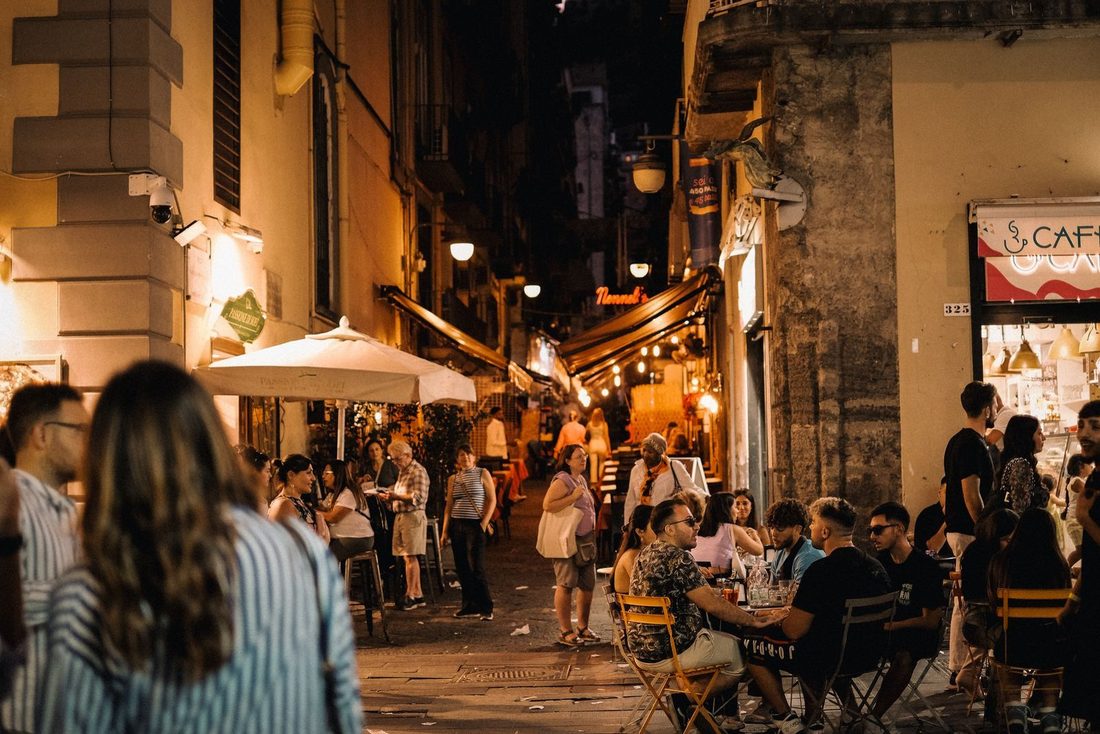
City break Italy at a glance
Italy is not a country where one city offers everything. One destination is all about art and historic sights, while elsewhere you mainly enjoy restaurants, local markets and everyday Italian life.
| Destination | Best for | Ideal length | Budget | Best time |
|---|---|---|---|---|
| Rome | History, culture and restaurants | 3-4 nights | Higher | Apr-Jun, Sep-Nov |
| Florence | Art, romance and Tuscany | 2-3 nights | Higher | Apr-Jun, Sep-Oct |
| Venice | Romance and a unique atmosphere | 2-3 nights | Higher | Apr-Jun, Sep-Nov |
| Milan | Fashion, design and nightlife | 2-3 nights | Higher | Apr-Jun, Sep-Oct |
| Bologna | Food and relaxed city life | 2-3 nights | Average | Apr-Jun, Sep-Nov |
| Verona | Romance and history | 2 nights | Average to higher | Apr-Jun, Sep-Oct |
| Turin | Gastronomy, wine and elegance | 2-3 nights | Average | Apr-Jun, Sep-Nov |
| Naples | Street food, culture and buzz | 3 nights | Average | Mar-Jun, Sep-Nov |
| Palermo | Markets, street food and Sicilian culture | 3 nights | Average | Apr-Jun, Sep-Oct |
| Bari | Southern Italian vibe and the coast | 2-3 nights | Lower to average | Apr-Jun, Sep-Oct |
| Genoa | Port city, history and gastronomy | 2-3 nights | Average | Apr-Jun, Sep-Oct |
| Bergamo | Compact history and a cosy atmosphere | 2 nights | Average | Apr-Jun, Sep-Oct |
| Trieste | Coffee houses, the sea and culture | 2-3 nights | Average | May-Jun, Sep-Oct |
| Catania | Sicily, street food and Etna | 3 nights | Average | Apr-Jun, Sep-Oct |
The budget categories are relative and meant for comparing cities, not as a current price indication. Hotels, flights and events can have a big impact on the difference.
For a first city break in Italy, Rome, Florence and Bologna are accessible choices, depending on your interests. Looking for something more surprising? Then Turin, Bergamo, Genoa and Trieste are interesting. And if you're mainly after a Southern Italian atmosphere and lively streets, Naples, Palermo and Bari come into the picture.
Which Italian city break suits you?
Before choosing a destination, it helps to decide how you want to spend the weekend. Not everyone is happy with three days of museums or constantly walking from one sight to the next.
For art and history
Rome and Florence are the best-known choices. Rome offers an enormous number of monuments, while Florence brings a lot of art and architecture together in a smaller historic centre. Venice is special mainly because of the city itself.
For food and wine
Bologna and Turin are strong destinations when restaurants, local specialities and long meals take centre stage. Naples and Palermo add lively markets and street food to that.
For romance
Verona, Florence and Venice are classic choices for couples. Turin is a quieter alternative with stylish coffee houses, beautiful squares and lots of good restaurants.
For shopping and nightlife
Milan offers the most variety in fashion, design and urban nightlife. Naples is appealing when you're looking for an informal, lively evening instead.
For a less predictable city
Bergamo, Genoa and Trieste show a different side of Italy. They have plenty of history and local atmosphere, but feel different from the classic guidebook destinations.
For city and coast
Bari, Naples and Trieste combine a city stay with the sea. That doesn't mean you'll be on a sandy beach straight from every hotel. The distance to a usable beach varies considerably.
With a city trip to Italy, the choice is therefore not just about which city is the most beautiful. It's mainly about what you want to experience, how many days you have and how important things like budget, travel time and atmosphere are.
14 great cities for a city break in Italy
1. Rome: centuries of history and endless atmosphere
Rome is perhaps the most complete choice for a first Italian city break. You walk between the Colosseum, the Roman Forum, impressive churches, squares and fountains. At the same time, the city is also simply about drinking espresso at the bar, long lunches and evenings in cosy neighbourhoods.
The historic centre has so much to offer that three days fly by. For restaurants and a lively evening, Trastevere is appealing, while Monti is central for several well-known sights. The Prati district is also interesting if you want to avoid the crowds of the tourist centre a little.
Ideal length: 3-4 nights.
Best for: history, culture, restaurants and a varied weekend.
Where to stay: Monti for a central location, Trastevere for restaurants and nightlife, or Prati for a slightly quieter base.
Good to know: Rome is big and popular. Don't try to tick off the Colosseum, the Vatican Museums, all the squares and several outer neighbourhoods in two days. Book popular sights in advance and choose one manageable area per day.
Rome suits you best if you want to discover a lot and don't mind walking fair distances.
2. Florence: art, romance and Tuscan elegance
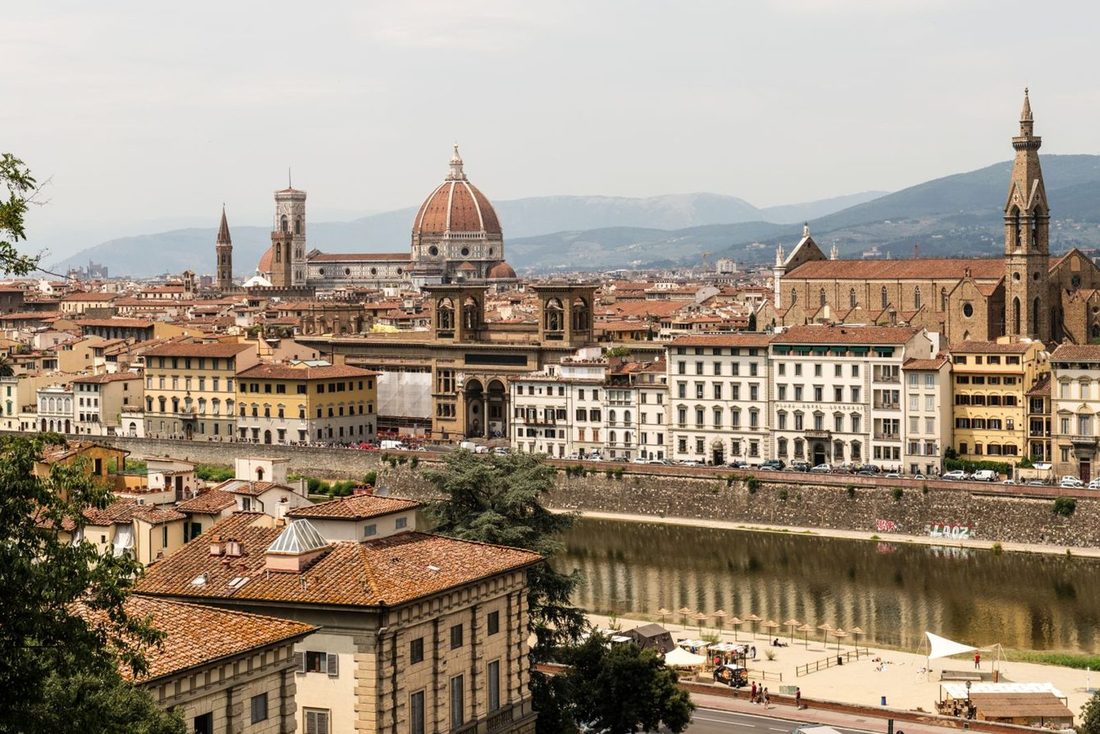
Florence is one of the most atmospheric destinations for a romantic city break in Italy. The Duomo, Ponte Vecchio, Piazza della Signoria and the many Renaissance buildings give the city its recognisable character. At the same time, Florence is compact enough to explore largely on foot.
Besides the famous sights, it's especially the daily rhythm that makes it appealing. Wander through Oltrarno, visit small shops and take your time for an aperitivo. Around Santo Spirito you'll find a different atmosphere than at the busiest squares on the north side of the Arno.
Art lovers can head to the Uffizi and the Galleria dell'Accademia, but it's wise not to plan every museum on the same day.
Ideal length: 2-3 nights.
Best for: art, architecture, romance and Tuscan gastronomy.
Where to stay: Santa Croce for restaurants and a central location; Oltrarno for a somewhat quieter, local atmosphere.
Good to know: Florence gets very hot in summer and busy at popular spots. For a relaxed weekend, spring and autumn are usually more appealing.
Florence is an excellent choice if you mainly want to walk, eat well and enjoy a historic setting.
3. Venice: a city break like no other
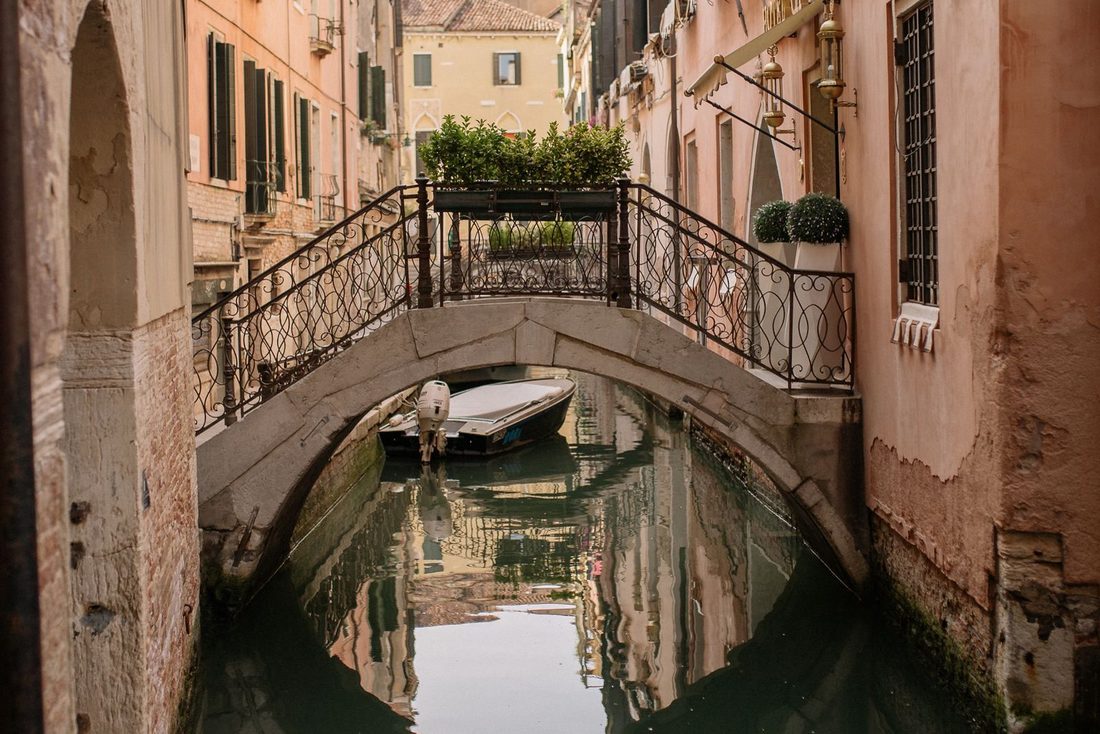
Venice is not just a city on the water. Here, canals, bridges, narrow streets and squares together make up the everyday cityscape. That makes a weekend in Venice special, even if you hardly visit any major sights.
St Mark's Square and the Grand Canal naturally belong on a first visit, but the city often becomes more enjoyable once you leave the busiest routes. In Cannaregio you'll find quiet streets and cosy wine bars. Dorsoduro is appealing for art, smaller squares and walks along the water.
For couples, Venice works especially well when the programme isn't too full. A few sights and plenty of time to wander around often make the weekend more enjoyable than a long checklist.
Ideal length: 2-3 nights.
Best for: romance, architecture and a unique urban atmosphere.
Where to stay: Cannaregio or Dorsoduro for a quieter character; San Marco for the most central location.
Good to know: hotels in the historic centre are often expensive. Also check the current access rules for Venice, especially if you stay outside the city and come for a day visit.
Venice is less suited to travellers who mainly want lots of different activities and nightlife. The city itself is the main experience.
4. Milan: fashion, design and a modern Italian city trip
Milan feels different from the classic Italian art cities. The city combines historic architecture with fashion houses, design shops, museums and a strong urban life.
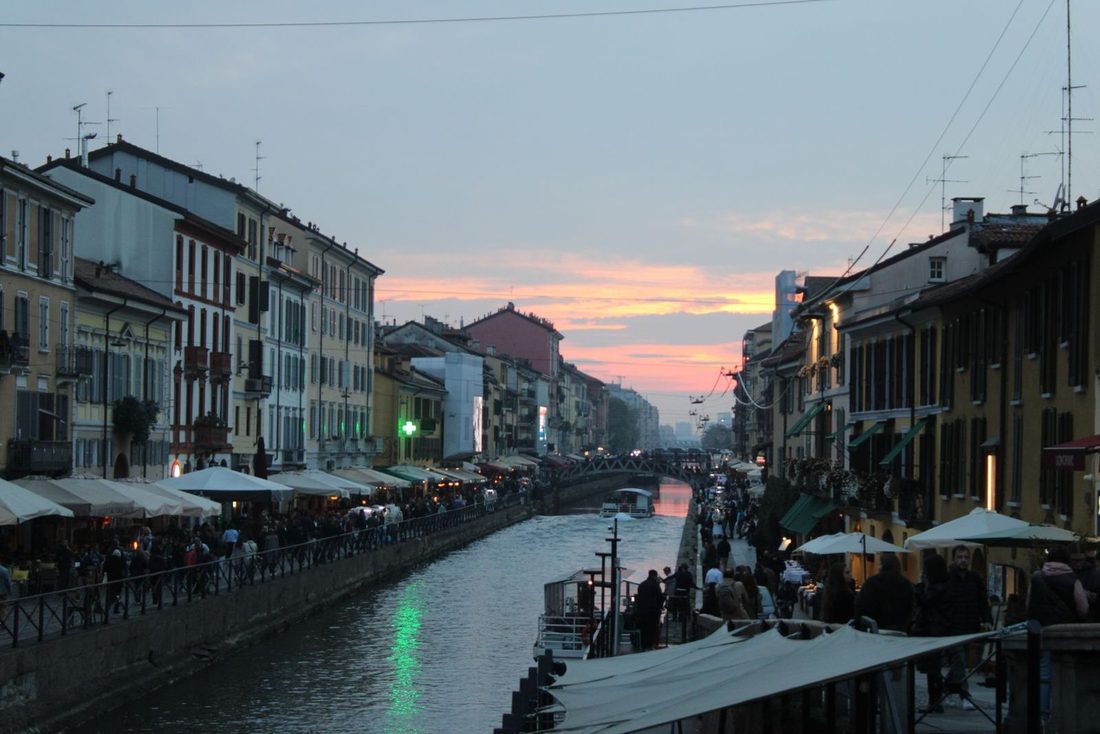
The imposing Duomo is a logical starting point. From there you walk to the Galleria Vittorio Emanuele II and the shopping area. Brera has atmospheric streets, galleries and restaurants, while Navigli is especially appealing for aperitivo, bars and a lively evening.
That makes Milan a good choice for a girls' weekend, but also for couples looking for restaurants, museums and a more modern city. You can combine well-known highlights with an afternoon of shopping without the whole trip having to revolve around historic monuments.
Ideal length: 2-3 nights.
Best for: shopping, fashion, design, restaurants and nightlife.
Where to stay: Brera for atmosphere and a central location; Navigli if restaurants and going out matter.
Good to know: during major trade fairs, fashion events and popular weekends, hotel prices can rise sharply.
For a city break in Italy with friends, Milan is strong if shopping and a fun evening are just as important as sightseeing.
5. Bologna: the Italian city for food lovers
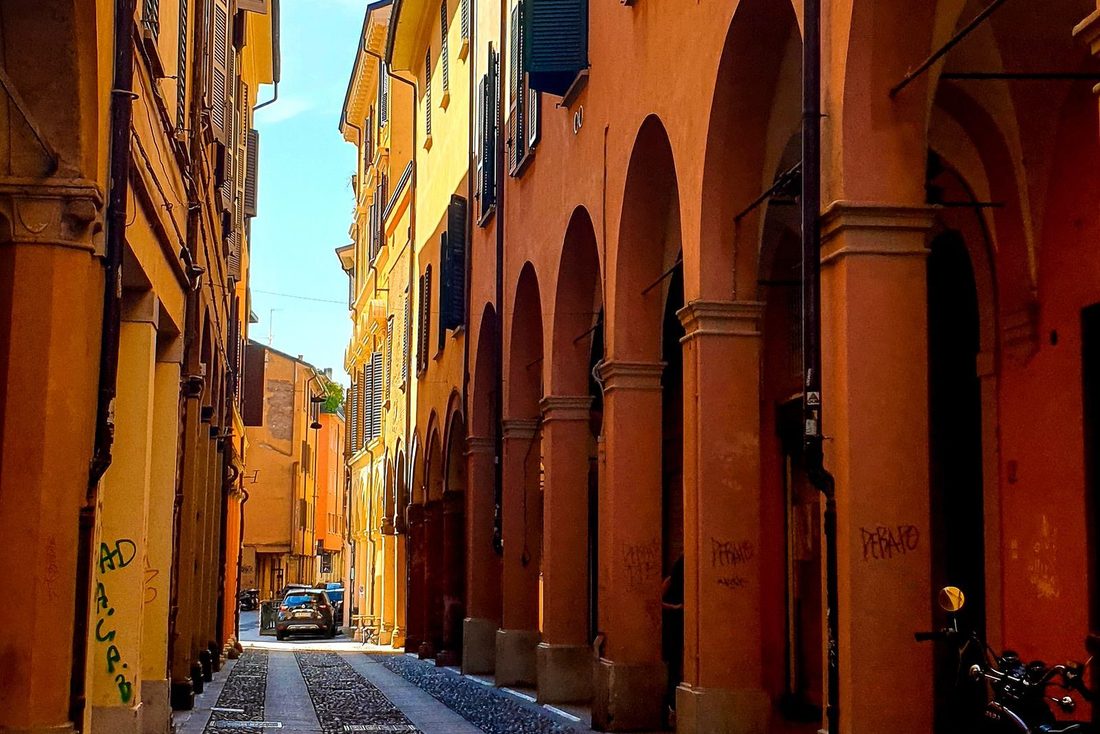
Bologna doesn't rely on one world-famous sight. Its appeal lies in the combination of terracotta-coloured buildings, kilometres of porticoes, markets, restaurants and lively squares.
Around Piazza Maggiore and the Quadrilatero you'll find much of the atmosphere that makes Bologna special. Browse the delicatessens, check out what's on offer at the market and take plenty of time for lunch. The local cuisine revolves around dishes like tagliatelle al ragù, tortellini and mortadella.
Outside the historic centre too, Bologna stays lively thanks to the university and its many cafés. The city is compact enough for a short weekend and has good train connections to other Italian cities.
Ideal length: 2-3 nights.
Best for: gastronomy, a cosy atmosphere and a relaxed city break.
Where to stay: the historic centre or around Piazza Maggiore for everything within walking distance.
Good to know: don't just go for restaurants right on the best-known squares. The smaller streets also have plenty of interesting places.
Bologna is one of the most appealing choices for couples or friends who want to build a weekend mainly around food, walking and relaxing.
6. Verona: romantic squares and a manageable centre
Verona is known for Romeo and Juliet, but the city has much more to offer than that romantic association. The Arena, Piazza delle Erbe, Ponte Pietra and the historic streets make Verona particularly well suited to a short weekend.
The centre is relatively manageable. You can easily combine a cultural morning with a long lunch, shopping and a walk along the Adige. That makes a two-day trip feel less rushed than in a bigger city like Rome.
Verona is also interesting if you want to combine the city with a trip to Lake Garda. With a stay of just two nights, though, it's wise to choose between an extensive city break and extra time outside the city.
Ideal length: 2 nights, or 3 with a day trip.
Best for: romance, historic atmosphere and relaxed walking.
Where to stay: Città Antica for a central location or Veronetta for a more informal atmosphere.
Good to know: during major events and the opera season, central hotels can be more expensive.
Verona suits travellers who like the idea of Florence but prefer a shorter, calmer programme.
7. Turin: coffee houses, wine and an elegant atmosphere
Turin is one of the most interesting alternatives for anyone looking for a special Italian city break. The wide squares, covered arcades and historic coffee houses give the city an elegant feel. On top of that comes a strong culinary tradition.
In the centre you can shop, visit museums and enjoy long meals. The Museo Egizio is a major cultural attraction, while the Quadrilatero Romano and San Salvario are interesting for restaurants and bars.
Turin is also located in Piedmont, a region known for its wine and gastronomy. If you want to stay in the city for a whole weekend, there's plenty to do. With more time, you could also consider a trip outside Turin.
Ideal length: 2-3 nights.
Best for: restaurants, wine, culture and a stylish weekend.
Where to stay: Centro for convenience; Quadrilatero Romano or San Salvario for more bars and restaurants.
Good to know: Turin is not a classic city for large numbers of famous tourist highlights. Its charm also lies in the squares, cafés and atmosphere.
For a food or romantic weekend, Turin is a strong alternative to the better-known Italian destinations.
8. Naples: character, street food and buzzing streets
Naples may not be the most polished city in Italy, but that's exactly what makes it appealing. Narrow streets, scooters, markets, churches and restaurants create an intense and lively cityscape.
The historic centre with Spaccanapoli is a logical starting point. You'll find churches, small shops and famous pizza makers close together. The Quartieri Spagnoli and the seafront promenade are also interesting to explore.
Naples is also a good base for a visit to Pompeii, although such a trip takes up a large part of the day. If you only have two nights, you'll probably get more out of the city itself than out of a packed programme with excursions.
Ideal length: 3 nights.
Best for: street food, culture, buzz and authentic city life.
Where to stay: the historic centre for atmosphere; Chiaia for restaurants and a different urban setting.
Good to know: Naples is busy, lively and sometimes chaotic. If you mainly want peace and quiet and a calm boutique hotel, you may feel more at home in Verona or Turin.
A city break to Naples is particularly suitable when food and everyday city life matter more than luxury or perfectly organised sightseeing.
9. Palermo: Sicilian markets and historic contrasts
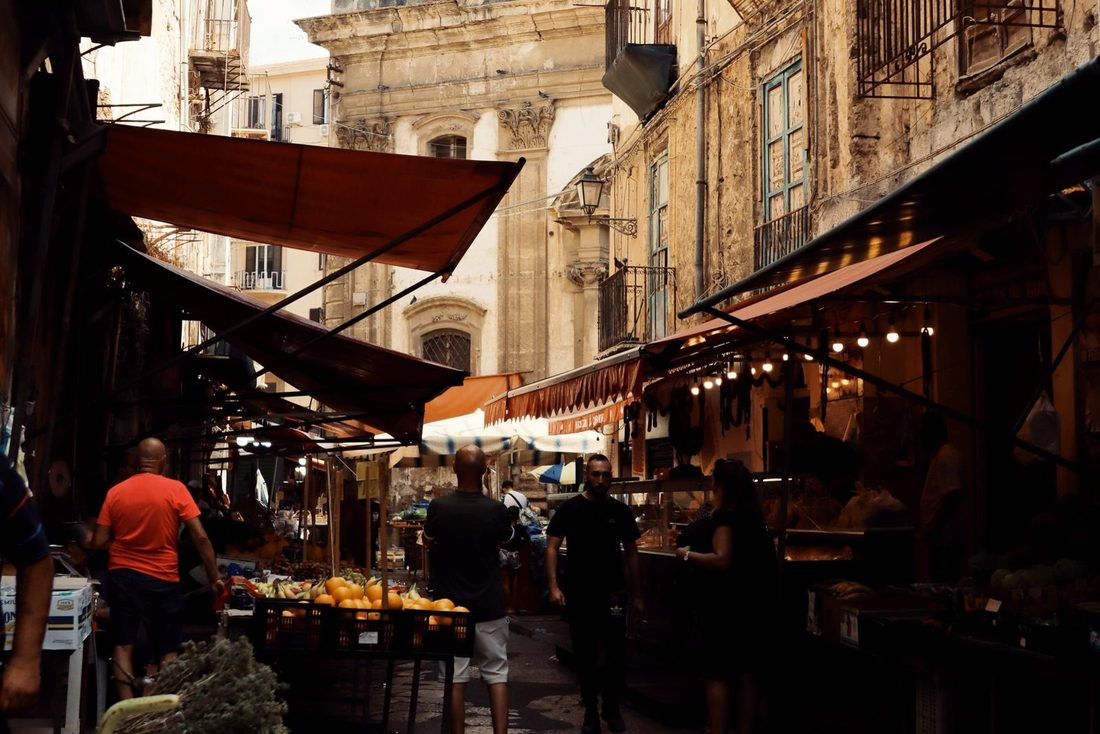
Palermo combines a rich history with vibrant street life. You'll find impressive churches, baroque facades, Arab-Norman influences and colourful markets.
Around Quattro Canti, the cathedral and the old streets there's plenty to discover. Markets like Ballarò and Capo give the city a distinctive character. Here, food is just as much about a quick snack on the street as about a long dinner.
Palermo is especially interesting if you're looking for a cultural city break with a Southern Italian atmosphere. With three nights you have enough time for the city itself and perhaps a trip outside the centre.
Ideal length: 3 nights.
Best for: street food, markets, culture and Sicilian atmosphere.
Where to stay: the historic centre, depending on how much peace and accessibility you want.
Good to know: Palermo is not a destination where all the highlights sit neatly on one short route. The streets are lively and traffic sometimes needs a little extra attention.
For couples or friends who love discovering new flavours and are looking for a less predictable city, Palermo offers a completely different weekend than Florence or Venice.
10. Bari: Southern Italian atmosphere close to the coast
Bari is an interesting destination if you want to combine an Italian city break with the coast, gastronomy and a relaxed pace.
In Bari Vecchia you walk through narrow streets where daily life still largely takes place outdoors. The Basilica of Saint Nicholas, the seafront promenade and small restaurants provide enough variety for a short stay.
With Pane e Pomodoro, Bari also has a city beach some distance from the historic centre. With more time, you can also take trips to places like Polignano a Mare or Monopoli. That gives Bari an appealing combination of city and the Puglia coast.
Ideal length: 2-3 nights.
Best for: food, Southern Italian atmosphere and a relaxed city trip.
Where to stay: Murat for restaurants and a practical location; Bari Vecchia for historic atmosphere.
Good to know: the city beach is not the same as Puglia's famous bays. If the beach is your main goal, set aside enough time for a day trip.
Bari is a great choice for travellers who are less interested in big museums but love walking, eating and enjoying the Mediterranean atmosphere.
11. Genoa: historic streets and a surprising port city
Genoa is a city that's often overlooked when planning a weekend in Italy. Yet it has an impressive historic centre, remarkable palaces and a long maritime history.
The narrow streets of the old town contrast sharply with the open space around Porto Antico. Along Via Garibaldi you'll find historic palaces, while Boccadasse is a picturesque seaside neighbourhood with colourful houses and sea views.
For lovers of Italian gastronomy, Genoa is interesting too. Think focaccia, pesto genovese and fish dishes. With two or three nights you can combine the different sides of the city well.
Ideal length: 2-3 nights.
Best for: history, gastronomy, a port city and a special atmosphere.
Where to stay: in or around the historic centre, depending on how much peace you want.
Good to know: the old centre is a maze of narrow streets. Look carefully at the location of your hotel and the connection from the station.
Genoa suits travellers who already know Rome or Florence and are looking for a different Italian city with lots of character.
12. Bergamo: a compact city full of Italian charm
Bergamo is an excellent choice for a short Italian city break. The city consists of the modern lower town and the historic upper town, Città Alta, which sits high above the surroundings.
The funicular takes you to the old town, where narrow streets, squares, churches and restaurants are close together. Piazza Vecchia is a lovely starting point for a walk, while the Venetian city walls offer views over the surrounding area.
It's precisely its manageable size that makes Bergamo appealing. You don't have to keep using public transport or fill your weekend to soak up plenty of atmosphere.
Ideal length: 2 nights.
Best for: romance, history and a compact city break.
Where to stay: Città Alta for maximum atmosphere; the lower town if accessibility and a wider choice of hotels matter.
Good to know: the historic upper town has differences in height and cobbled streets. Choose practical accommodation if you're travelling with a lot of luggage.
Bergamo is interesting for couples who mainly want a beautiful, relaxed weekend without the crowds of a big Italian city.
13. Trieste: coffee houses, the sea and a different side of Italy
Trieste feels different from many other Italian cities. Its architecture, coffee house culture and location on the Adriatic Sea give the city a special mix of Italian and Central European influences.
Piazza Unità d'Italia, one of its best-known squares, sits right on the water. In the city you'll find historic cafés, wide streets and a lively harbour area. Outside the centre, Miramare Castle makes a lovely day trip.
Trieste is especially appealing for travellers who love walking, taking their time over coffee, discovering restaurants and don't need to tick off famous monuments all the time.
Ideal length: 2-3 nights.
Best for: coffee culture, history, the sea and a lesser-known city break.
Where to stay: the historic centre for restaurants, squares and walks.
Good to know: Trieste is on the sea, but it isn't automatically a destination for a classic sandy beach weekend. Getting there from the Netherlands also needs a bit more attention when choosing a flight or train connection.
Trieste suits anyone looking for an original city break with a slower pace and a special cultural mix.
14. Catania: baroque, street food and Etna
Catania lies on the east coast of Sicily, at the foot of Mount Etna. The city combines dark lava stone, baroque buildings, lively markets and a distinctly Sicilian food culture.
Around Piazza del Duomo and Via Etnea you'll find much of its historic character. The fish market is a special place to experience daily life, and in local restaurants you'll discover Sicilian cuisine.
Catania is also a good base for an excursion to Etna. You do need an extra half day or day for that, and the options depend on the weather and current conditions.
Ideal length: 3 nights.
Best for: street food, culture, Sicilian atmosphere and an active day trip.
Where to stay: centrally around the historic core, so restaurants and well-known spots are easy to reach on foot.
Good to know: Catania is hot in summer and the centre is lively. For a combination of city and Etna, spring and autumn are usually more comfortable.
Catania is an interesting option if you're looking for more than just a classic Italian city trip and want to add nature or a special excursion.
City break Italy for two, three or four days
How many days you have largely determines which Italian city makes sense. A compact destination can be very enjoyable in two days, while a big city quickly feels rushed if you hardly have any time.
Two days: choose a compact city
For two full days, Bergamo, Verona and Bologna are appealing. Many sights, restaurants and shops are relatively close together.
Florence can also work well, as long as you deliberately choose which museums and sights to visit.
With a two-day city break in Italy, it's important not just to look at the flight time. Departure times, airport transfers and the distance to your hotel determine how much time you actually have.
Three days: more choice and variety
With three full days, Florence, Milan, Turin, Venice, Naples and Palermo become more interesting. You have enough room to visit famous spots and also enjoy the city without constantly rushing.
Bologna and Verona of course also work very well with three days. The main difference is that you then have more time for restaurants, markets and perhaps a day trip.
Four days: ideal for bigger cities or combinations
Rome benefits greatly from an extra day. Naples, Palermo and Catania also become more appealing if you want to visit something outside the centre.
Four days also give you room to combine two nearby Italian cities, as long as the train connection makes sense.
| Time available | Interesting cities | Main advantage |
|---|---|---|
| 2 full days | Bergamo, Verona, Bologna | Compact, with little local travel time |
| 3 full days | Florence, Milan, Venice, Turin, Naples | Combine the city with activities |
| 4 full days | Rome, Palermo, Catania, Bologna + Florence | More calm or room for day trips |
Note the difference between days and nights. A stay from Friday evening to Sunday afternoon does include two nights, but often gives you less than two full days.
When is the best time for a city break in Italy?
Italy is appealing almost all year round, but the season makes a big difference in temperature, crowds and the kind of activities that are enjoyable.
Spring: March, April and May
Spring is a strong period for many Italian cities. Temperatures become more pleasant, and walking, terraces and museums combine well.
Rome, Florence, Bologna, Verona and Naples are especially interesting. In March it can still be chilly in Northern Italy, while southern destinations often already have milder days.
A city break in Italy in May is therefore appealing for many travellers: often pleasant walking weather without the worst summer heat. Around public holidays, popular destinations can be busy, though.
Summer: June, July and August
In June you can still walk comfortably and eat outdoors at length in many cities. July and August are trickier, especially in Rome, Florence, Bologna and Naples, where the daytime heat can rise considerably.
If you mainly want a city break, it's better to head out early, take longer breaks and make the evening programme more important.
Trieste and coastal cities offer the sea nearby, but cool weather isn't guaranteed there either.
Autumn: September, October and November
September and October are among the most appealing months for an Italian city trip. The biggest summer crowds ease off in many places, and restaurants, museums and city walks remain the focus.
For a city break in Italy in October, Rome, Bologna, Florence, Turin and Naples are strong choices. Palermo and Catania are also interesting if you like travelling to Southern Italy.
In November the days get shorter and the chance of rain increases. Then it's best to choose a city with plenty of museums, bars, restaurants and other indoor activities.
Winter: December, January and February
A winter city break in Italy can be very atmospheric. Rome, Milan, Turin and Bologna offer enough culture, restaurants and shops to have a great weekend even when the weather is less good.
It is wise to adjust your expectations, though. A sunny winter's day in Naples is lovely, but Southern Italy is no guarantee of warm terrace or beach weather.
Which Italian cities combine well?
With three or four nights, you can consider visiting two cities on one trip. Thanks to Italy's rail connections, that's easy on some routes. Still, a short train ride doesn't automatically mean two destinations always make for a better weekend.
Bologna and Florence
An appealing combination for anyone who values gastronomy and art. Bologna gives the weekend a culinary character; Florence adds Renaissance architecture and famous museums.
With four nights, you could for example stay two nights in each city. With three nights, a single base is often more relaxed.
Verona and Venice
This combination works well if a romantic atmosphere matters. Verona has a manageable historic centre, while Venice offers a unique experience on the water.
Allow for the extra travel and the difference between arriving at the station and actually being at your accommodation.
Rome and Naples
Rome and Naples each have a very distinct character. Rome is about monuments and major historic sights; Naples about street food, lively streets and intense city life.
The high-speed train makes combining them possible, but for a first visit to both cities, four or five nights are more enjoyable than a rushed long weekend.
Florence and Pisa
If you'd like to visit Pisa, you don't always need to plan a whole separate city break for it. From Florence you can set aside half a day or a day for the famous tower and the historic surroundings.
That way you keep Florence as your base and avoid extra hotel changes.
Tip: for a short Italian city break, one city is often enough. Only add a second destination when you really have time for it, not just because the train connection happens to exist.
City break Italy by train or by plane?
From the Netherlands, flying is often the most time-efficient option for a weekend in Italy. However, a flight of around two hours doesn't mean you'll also be in the centre within two hours.
You need to account for the journey to the airport, time before departure, the flight itself and transport to your hotel. That can make a big difference between two cities with similar flight times.
Flying is especially practical when:
- you want to go away for two or three nights;
- you can find a suitable direct flight;
- the airport is well connected to the centre;
- departure and arrival times leave enough time at your destination.
The train becomes more interesting when:
- you deliberately want to travel without flying;
- you have more days available;
- the journey itself can be part of the holiday;
- you want to combine several Italian cities.
Within Italy, many major cities are connected by high-speed trains. Think of Rome, Florence, Bologna, Milan and Naples. For longer distances, that's often more pleasant than travelling to an airport again.
A complete train journey from the Netherlands to Italy does take quite a lot of time for a short weekend. If you mainly want a few days away without flying, also take a look at our guide to city breaks by train from the Netherlands.
How much does a city break to Italy cost?
A city break in Italy can be relatively affordable, but it can also turn out quite luxurious. Flight prices, hotel level, travel period and number of nights in particular determine the budget.
Rome, Florence, Venice and Milan are often more expensive for a central hotel. Bologna, Turin, Bergamo and Bari can be more interesting if you want to keep an eye on costs. That doesn't mean they're automatically cheaper on every travel date.
Indicative budget per person
| Type of city break | Nights | Indicative total budget p.p. |
|---|---|---|
| Budget weekend | 2 | €300 - €500 |
| Comfortable city trip | 2-3 | €450 - €750 |
| Popular Italian art city | 3 | €550 - €950 |
| Food weekend with long dinners | 3 | €600 - €1,000 |
| More luxurious weekend in a boutique hotel | 3 | €850 - €1,400+ |
These amounts are broad planning estimates for two travellers sharing a room. Think of transport, hotel, meals, local transport and a few activities. They are not current travel offers.
Where can you save money?
Choose a favourable departure day. Leaving on a Thursday or Sunday can sometimes be cheaper than a classic Friday to Sunday weekend.
Compare the total travel price. A cheap plane ticket has little advantage if luggage, transfers and the hotel are much more expensive.
Look outside the busiest neighbourhoods. A hotel just outside the historic centre can be more affordable, as long as the centre stays easy to reach.
Travel outside major events. Fashion weeks, trade fairs, festivals and public holidays can push hotel prices up sharply.
Don't choose too many paid activities. Many Italian cities are appealing even without a packed museum programme. Squares, markets, neighbourhoods and walks make up a large part of the experience.
That's why, for MyTripMatcher, the total budget per person is a more useful starting point than just a maximum hotel price.
City break Italy with your partner or with friends?
With your partner
For a romantic weekend, Florence, Verona and Venice are well-known choices, but Turin and Bergamo deserve attention too.
Florence suits couples who want to combine art, walking and long meals. Verona is more manageable and ideal for a relaxed two-day trip. Venice is special when the city itself can be the backdrop to the weekend.
If you're mainly looking for good restaurants and wine, Bologna and Turin are appealing alternatives. An atmospheric hotel and enough time to eat together can be more important than the number of sights.

With friends
For a girls' weekend, Milan, Bologna, Florence and Rome are interesting options, but for different reasons.
Milan is strong for shopping, aperitivo and going out. Bologna suits you when restaurants and a cosy atmosphere are central. Florence combines atmosphere with shops and art, while Rome offers the most options for a varied programme.
With a group, practical matters also play a role. How much do you want to spend? Do you want to stay together in an apartment or prefer separate hotel rooms? And does everyone want to do the same things?
That's exactly why it helps to agree on a few shared preferences before choosing the city.
Five common mistakes when planning an Italian city trip
1. Wanting to see too much. Rome, Florence and Naples in particular have enough sights for a much longer holiday. Choose a few highlights per day and leave room for spontaneous stops.
2. Only looking at the flight time. A cheap flight with a late arrival can cost you almost a whole day. Also look at airport transfers and the distance to the hotel.
3. Underestimating the season. In the middle of summer, sightseeing can be tough because of the heat. Spring and autumn trips often give a more pleasant balance.
4. Booking the hotel too far outside the centre. Staying somewhere cheaper is tempting, but losing a lot of time on transport every day makes a short trip less relaxing.
5. Choosing the most famous city without comparing. Rome is beautiful, but not automatically the best choice for everyone. If you're mainly going for food, peace and quiet or a cosy weekend, you may feel more at home in Bologna, Turin or Bergamo.
Let MyTripMatcher find your city break in Italy
Maybe you already know the weekend has to be in Italy. You want to go away for three nights, fly for no more than three hours, and have a lively centre, good restaurants and a hotel that fits the budget. But do you then choose Florence, Bologna, Verona or Turin?
That's exactly where the choice gets more complicated than a general list of beautiful Italian cities.
MyTripMatcher helps combine preferences such as length of stay, budget, maximum travel time, atmosphere, who you travel with and interests. That way you can discover travel options that match the kind of weekend you want to experience, instead of just how well known a destination is.
That's also handy when you travel together and not everyone has the same priorities. One person mainly wants culture, the other restaurants and a cosy atmosphere. A good city break combines those wishes without the weekend turning into a packed checklist.
Tell MyTripMatcher what matters to you and discover which Italian city break fits.
Discover your city break in Italy
Frequently asked questions about a city break in Italy
What is the best city for a city break in Italy?
That depends on your interests. Rome is strong for history and culture, Florence for art and romance, Bologna for gastronomy and Milan for shopping and design. If you're looking for lesser-known destinations, consider Turin, Bergamo or Trieste.
What are the most beautiful cities in Italy?
Rome, Florence and Venice are among the best-known historic cities. Verona, Bologna and Bergamo also have beautiful old centres. Lesser-known cities like Genoa and Trieste are interesting if you're looking for different architecture and a less obvious atmosphere.
Which Italian city is best for three days?
Bologna, Florence, Milan, Verona and Turin work well for three days. You have enough time to visit famous spots and also discover restaurants and neighbourhoods. Rome is possible too, but three days only give you a first impression there.
Which city break in Italy is cheap?
Bari, Bergamo, Bologna and Turin can be appealing on a tighter budget. However, the final costs depend heavily on the flight, hotel, travel period and activities. So always compare the total travel price.
Which Italian city is the most romantic?
Florence, Venice and Verona are classic romantic cities. Florence offers art and atmospheric restaurants, Venice a unique setting on the water and Verona a compact historic centre. Turin and Bergamo are interesting alternatives for a quieter weekend.
Which Italian city is best for food?
Bologna is an excellent destination when gastronomy takes centre stage. Naples is strong for pizza and street food, Turin for coffee houses and Piedmont specialities, and Palermo for Sicilian markets and local dishes.
Can you do a city break in Italy by train?
Yes, but from the Netherlands the train journey takes quite a lot of time. For a short weekend, flying is usually more practical. Within Italy, however, many major cities are well connected by train, which makes combinations like Bologna and Florence appealing.
What is the best month for a city break in Italy?
April, May, September and October are appealing months for many Italian cities. The walking weather is often pleasant then, and temperatures are generally better suited to sightseeing than in the middle of summer. Do keep public holidays and events in mind.
Which city break in Italy is good with friends?
Milan suits shopping and nightlife, Bologna restaurants and a cosy atmosphere, Florence atmosphere and culture, and Rome a varied programme. Above all, decide together what matters and how much everyone wants to spend.
Can you combine several cities in Italy in one weekend?
You can, especially on routes with high-speed trains. Bologna and Florence or Verona and Venice are logical combinations. With only two nights, one city is often more enjoyable, because otherwise you lose a lot of time travelling and checking in.
Which city break in Italy will you choose?
The best city break in Italy isn't automatically Rome, Florence or Venice. It's the city that suits the way you like to travel.
If you're mainly looking for art and history, you may end up in Rome or Florence. For gastronomy, Bologna and Turin are appealing. Verona and Bergamo suit a relaxed romantic weekend, while Naples and Palermo offer lots of buzz and local atmosphere.
So first look at the number of days, the budget and what you want to do together. After that, there are usually a few Italian cities left that really match your wishes.
Discover with MyTripMatcher which city break in Italy suits you.
With Love, team MTM