Paris, Barcelona, Rome and Lisbon aren't popular for no reason, but after a few European city trips you sometimes want something different. Anyone looking for the most beautiful unknown cities in Europe usually doesn't mean literal cities that nobody visits. More interesting are places that don't immediately top a Dutch city-trip list, but that do have enough restaurants, culture, nice neighbourhoods and good accommodation for a few days away.

In this guide you'll find fourteen such cities, from Mechelen and Utrecht to Girona, Thessaloniki, Wrocław, Gothenburg and Turku. We compare atmosphere, accessibility, budget and the best time to travel, and indicate for each one which well-known city it can be an interesting alternative to. Would you rather browse a broader selection first? Then check out our guide to great city trips in Europe. Do you know what you're looking for, but not yet where to find it? Then MyTripMatcher fits that exact dilemma.
Unknown cities in Europe at a glance
| City | Country | Best for | Travel time from the Netherlands | Budget | Best period | Interesting alternative to |
|---|---|---|---|---|---|---|
| Mechelen | Belgium | History and gastronomy | Train approx. 2 hours | Medium | All year | Bruges |
| Utrecht | Netherlands | Canals, culture and hospitality | Train approx. 30 min from Amsterdam | Medium | All year | Amsterdam |
| Münster | Germany | Cycling, culture and relaxed city life | Train approx. 3h25 | Medium | April-October | Cologne |
| Girona | Spain | Historic streets and good food | Flight approx. 2 hours* | Medium | Apr-Jun, Sep-Oct | Barcelona |
| Bergamo | Italy | Italian old town and gastronomy | From Eindhoven approx. 1h35 flying | Medium | Apr-Jun, Sep-Oct | Florence |
| Trieste | Italy | Coffee houses, the sea and architecture | Flight with a stopover | Medium | Apr-Jun, Sep-Oct | Venice |
| Thessaloniki | Greece | Food, history and nightlife | Flight approx. 3 hours | Medium | Apr-Jun, Sep-Oct | Athens |
| Wrocław | Poland | Architecture and value for money | Flight approx. 1h35 | Lower | Apr-Jun, Sep-Dec | Kraków |
| Brno | Czechia | Architecture and a young city vibe | Via Vienna | Lower to medium | Apr-Jun, Sep-Oct | Prague |
| Bratislava | Slovakia | Compact centre and the Danube | Via Vienna | Lower to medium | Apr-Jun, Sep-Oct | Vienna |
| Nuremberg | Germany | History, museums and food | Flight approx. 1h15 | Medium | Apr-Jun, Sep-Dec | Munich |
| Gothenburg | Sweden | Food, design and islands | Flight approx. 1h30 | Higher | May-Sep | Copenhagen |
| Turku | Finland | History, design and archipelago | Via Helsinki/Scandinavia | Medium to higher | May-Sep | Helsinki |
| Riga | Latvia | Art Nouveau, markets and culture | Flight approx. 2h10 | Lower to medium | May-Sep, December | Tallinn |
*The direct flight to Girona is seasonal. It's therefore important to always check the current schedule for your travel dates.
The last column emphatically does not mean that two cities are the same. Girona is not a small Barcelona, and Wrocław is not a cheap version of Kraków. It's about overlapping preferences: historic streets, good food, architecture or a certain travel pace.
That is exactly why you can also choose the other way round. Do you love Copenhagen for its design and good food, but want to try a different Scandinavian city? Then Gothenburg and Turku suddenly come into view.
When is a lesser-known city a better choice?
A lesser-known destination is not automatically better. Well-known cities have clear advantages: lots of connections, an enormous choice of hotels and a long list of sights.
Still, a less obvious city can be a better fit when you:
- don't want to visit the same European capitals again;
- like a more compact centre;
- would rather spend two days looking around properly than ticking off ten highlights;
- care about value for money;
- want to discover a new regional cuisine;
- don't need a programme full of world-famous attractions;
- like to pick a city not all your friends have already visited.
There are downsides too. Direct flights can be more limited, tourist information is sometimes less extensive, and some cities have less nightlife or fewer major museums.
The idea that all hidden gems in Europe are quiet and cheap isn't true either. Gothenburg, for example, is a more surprising choice than Copenhagen, but definitely not a budget destination.
How to choose a surprising city trip that suits you
Don't start with a map of Europe, but with your own preferences. That way you avoid endlessly browsing cities that don't actually suit your trip.
Quick choice check
- How many full days do you have?
- How many hours do you want to travel at most?
- Is the trip mainly about food, culture, architecture, nature or nightlife?
- How much bustle do you enjoy?
- What is your total budget?
- Are you after something completely new, or mainly an alternative to a city you already like?
Say you have three nights, a medium budget, and mainly want historic streets and good food. Then Mechelen, Girona, Bergamo and Wrocław make more sense to compare than fourteen random cities.
Want to travel a maximum of three hours and not fly? Then also check out our guide to a city trip by train. There we compare destinations specifically on train travel time, changes and number of nights.
The 14 most beautiful unknown cities in Europe
Close by and surprising
Mechelen - Burgundian history without the Bruges crowds
Mechelen lies between Antwerp and Brussels and is therefore easily overlooked. Yet the city works particularly well for two nights. Around the Grote Markt, St Rumbold's Tower and the Hof van Busleyden there is enough culture, while restaurants and cafes sit close together.
Why go here? Compact centre, Burgundian history and little travel time.
Accessibility and stay: from Amsterdam the train journey takes about 2 hours. Direct EuroCity connections are available from Rotterdam and Breda; a change may be needed from other Dutch cities.
Budget and best time to go: medium. Suitable all year round.
If you like... Bruges, but want to try a different historic Belgian city for once.
Worth noting: the centre is small. Two nights is usually enough.
Utrecht - Amsterdam in miniature, with a character of its own
Utrecht combines historic canals, wharf cellars and a lively hospitality and culture scene with a compact centre. The city feels urban, yet is manageable enough to get around largely on foot and by bike. That makes Utrecht an interesting alternative to Amsterdam if you're after the atmosphere of a Dutch city, but want something a little less massive.
Why go here? Historic canals, good hospitality, culture and a lively centre without the scale of Amsterdam.
Accessibility and stay: from Amsterdam you can reach Utrecht in about 30 minutes by train. From Rotterdam it's about 40 minutes, and from many other Dutch cities there are frequent direct connections.
Budget and best time to go: medium. Spring and early autumn are pleasant, but Utrecht works all year round.
If you like... Amsterdam for its canals, culture and hospitality, but want a more compact Dutch city.
Worth noting: the centre can get busy on nice weekend days, and hotel prices aren't always low.
Münster - a German city where cycling feels natural
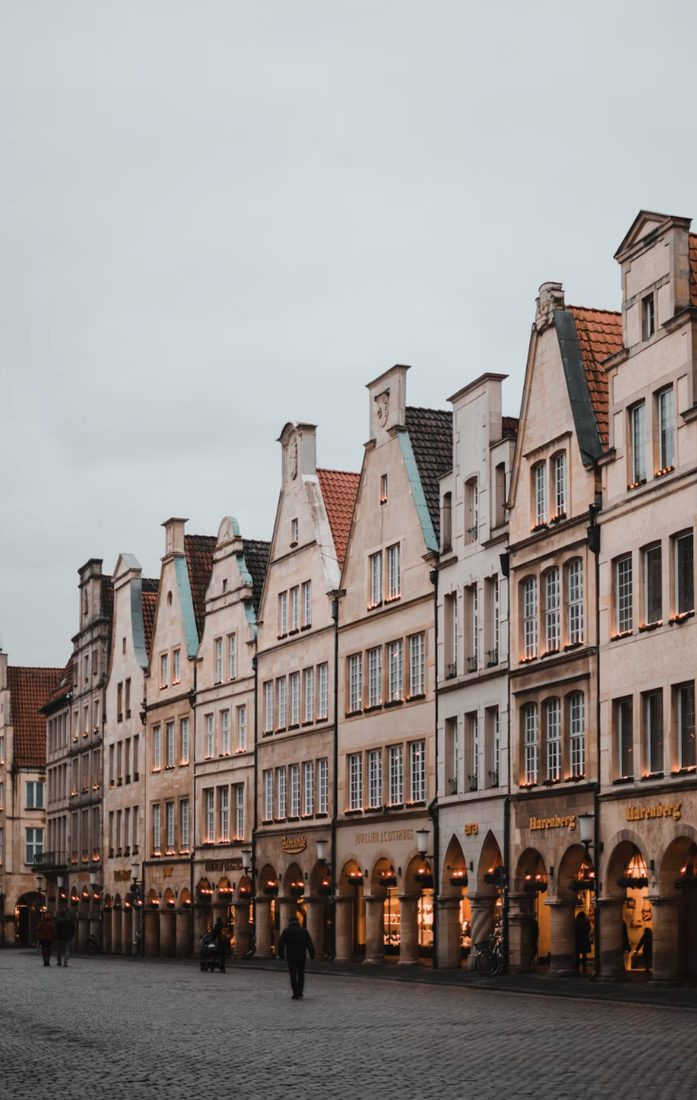
Münster has a historic core around the Prinzipalmarkt, but at the same time feels remarkably green and relaxed. Bicycles are part of everyday city life, while museums, churches, smaller shops and the harbour area provide enough variety for a weekend.
Why go here? Easy to get your bearings, plenty of cycling options and a clear rhythm all of its own.
Accessibility and stay: from Amsterdam the train journey takes about 3 hours and 24 minutes with one change. From Amersfoort it's about 2 hours and 48 minutes.
Budget and best time to go: medium. April to October.
If you like... Cologne, but want a quieter and smaller German weekend.
Worth noting: for pronounced nightlife, other German cities are stronger.
Southern Europe without the usual classics
Girona - medieval streets a short trip from Barcelona
Many Dutch travellers mainly see Girona as an airport for the Costa Brava, while the city itself is strong enough for a weekend on its own. The old Jewish quarter, city walls, staircases and colourful façades along the Onyar offer plenty of walking without having to cross a huge centre.
Why go here? Compact historic centre, Catalan food and plenty of atmosphere within walking distance.
Accessibility and stay: Transavia flies direct from Amsterdam for part of the year; the flight takes about two hours. The route is seasonal.
Budget and best time to go: medium. April to June and September to October.
If you like... Barcelona for Catalonia and its food, but want a smaller city.
Worth noting: outside the flight season, getting there becomes less straightforward.
Bergamo - Italian city days above and below the walls
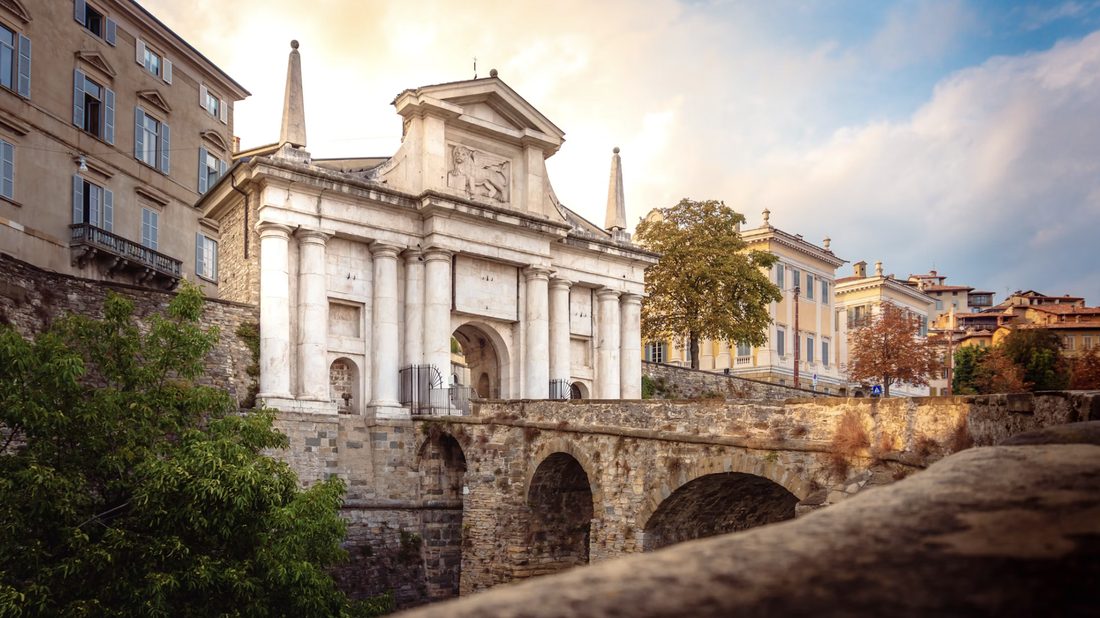
Many travellers see Bergamo Airport only as a gateway to Milan. That does the city itself a disservice. Città Alta sits behind six kilometres of Venetian fortifications and consists of historic streets, squares and viewpoints. A funicular connects the old centre with the lower town.
Why go here? Italian architecture, local cuisine and a centre that stays pleasantly compact.
Accessibility and stay: in 2026, direct flights from Eindhoven to Milan Bergamo Airport are available; the flight takes about 1 hour and 35 minutes.
Budget and best time to go: medium. Spring and early autumn.
If you like... Florence for its old streets and Italian atmosphere, but are after something smaller-scale.
Worth noting: steep streets and changes in elevation come with Città Alta.
Trieste - an Italian port city with a Central European edge
Trieste feels different from many Italian cities. Here you'll find a grand Adriatic seafront, stately Habsburg architecture and a remarkably strong coffee-house culture. Historic cafes are still part of the cityscape, while Miramare sits by the sea about six kilometres outside the centre.
Why go here? Italy, the sea and Central European history in a single weekend.
Accessibility and stay: there are currently no direct flights from Amsterdam to Trieste. Expect a stopover or an alternative route via northern Italy.
Budget and best time to go: medium. April-June and September-October.
If you like... Venice or Vienna, but are after an unusual combination of both atmospheres.
Worth noting: accessibility is clearly less easy than for Bergamo or Girona.
Thessaloniki - Greek city life where food takes centre stage
Thessaloniki doesn't have an Acropolis as an obvious eye-catcher, and so it appears less often at the top of Dutch city-trip lists. Yet the city combines a long boulevard with Roman and Byzantine history, markets and a strong food culture. Fifteen early Christian and Byzantine monuments hold UNESCO status, while the city is also part of the UNESCO Creative Cities Network for gastronomy.
Why go here? History, food and nightlife without a classic island holiday.
Accessibility and stay: there are direct flights from Amsterdam of roughly 2 hours 50 minutes to 3 hours; frequencies vary by season.
Budget and best time to go: medium. Spring and autumn.
If you like... Athens for Greek city life, but want something a little less obvious.
Worth noting: it can get very hot in the height of summer.
Central and Eastern Europe for culture and value for money
Wrocław - colourful squares and plenty of city for your budget
Wrocław has a large market square, historic university buildings and Ostrów Tumski around the cathedral. The city also has a remarkably serious cultural offering, including the Racławice Panorama. The official tourism board now also highlights the well-developed restaurant scene.
Why go here? Plenty of architecture and culture at a generally friendlier price level than Western European capitals.
Accessibility and stay: KLM flies direct from Amsterdam. The flight takes about 1 hour 35 to 40 minutes.
Budget and best time to go: lower. Spring, early autumn and December.
If you like... Kraków, but want to discover a different Polish city.
Worth noting: the city is bigger than the old centre; some attractions are further apart.
Brno - modernist architecture and a Czech student atmosphere
Internationally, Brno stands in the shadow of Prague, but it offers enough for a full long weekend. Mies van der Rohe's Villa Tugendhat is on the UNESCO World Heritage list and forms a strong contrast with the older centre. Tickets for the villa are one of the things you'd do better to arrange in advance.
Why go here? Architecture, cafes, Czech food and a young city atmosphere.
Accessibility and stay: the most practical route often runs via Vienna. From Vienna Airport, the train connection to Brno takes about 2 hours and 3 minutes, changing at Wien Hauptbahnhof.
Budget and best time to go: lower to medium. April-June and September-October.
If you like... Prague, but are looking for a less obvious Czech city.
Worth noting: the extra transfer makes two nights feel relatively short.
Bratislava - a small capital on the Danube
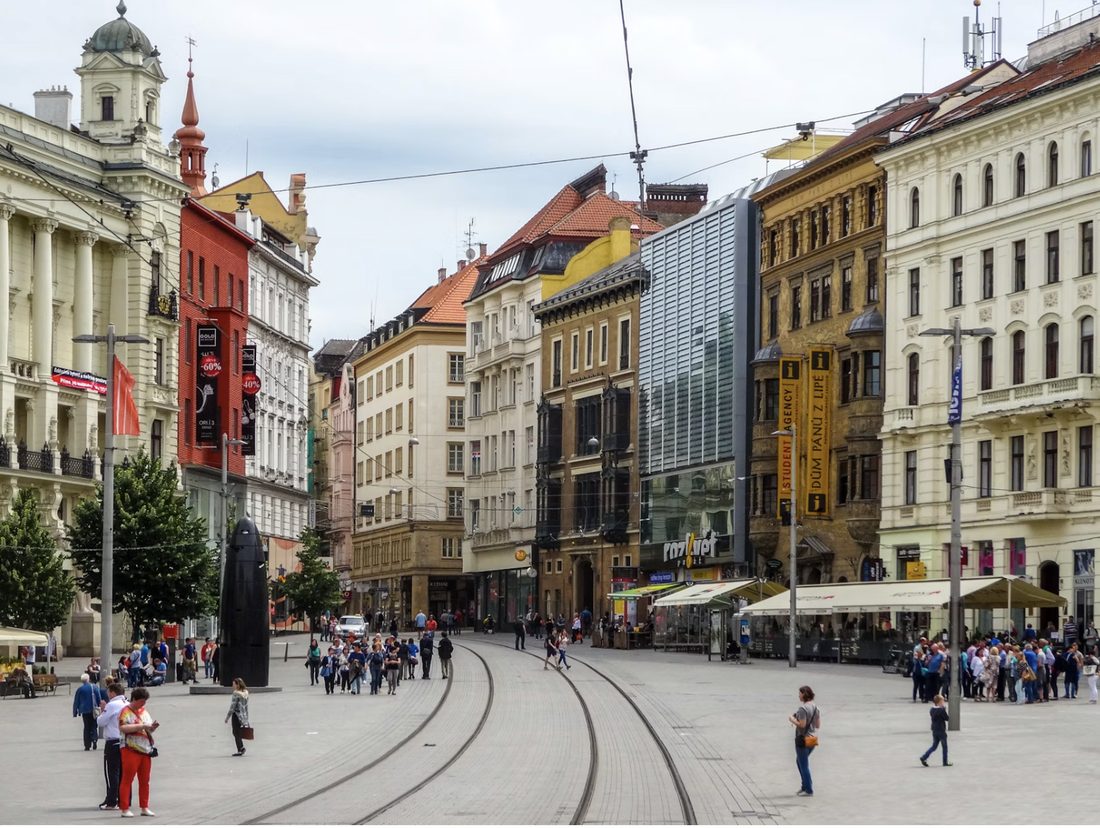
Bratislava sits between better-known Central European cities and is therefore easily treated as a day trip. For two nights, its compact scale actually works well. The old town, the Danube and the castle are all close together; from the castle hill you look out over the city and its surroundings.
Why go here? A capital-city feel without huge distances, and a centre that's easy to navigate.
Accessibility and stay: flying to Vienna is practical. Direct buses run from Vienna Airport to Bratislava; the ride takes about an hour and there are many connections per day.
Budget and best time to go: lower to medium. Spring and early autumn.
If you like... Vienna for the Danube region, but want a smaller and more informal weekend.
Worth noting: for four days, the centre itself can start to feel too small.
Nuremberg - far more than Christmas markets and bratwurst
Nuremberg is often linked to December, but the city also works outside winter. The historic old town, the Kaiserburg, the Albrecht Dürer House and large museum collections provide plenty of substance for two or three days. The city also has a distinct Franconian food tradition.
Why go here? A rich history, museums and food in an easy-to-navigate German city.
Accessibility and stay: KLM flies direct from Amsterdam; the flight takes about 1 hour and 15 minutes, with several connections per day.
Budget and best time to go: medium. Spring and autumn; December for the Christmas atmosphere.
If you like... Munich for Bavarian culture and history, but are looking for a more compact centre.
Worth noting: December is actually one of the busiest periods.
Northern Europe for something completely different
Gothenburg - seafood, fika and islands right by the city
Gothenburg is less often a first Scandinavian city trip than Copenhagen or Stockholm. Yet the city combines neighbourhoods like Haga with a serious food scene and an archipelago that begins just a short distance from the centre. The islands offer walks, cafes and plenty of fish and seafood.
Why go here? Combine city and coast without planning a separate round trip.
Accessibility and stay: KLM flies direct from Amsterdam in about 1 hour 25 to 35 minutes.
Budget and best time to go: medium to higher. May to September are the most attractive months for long days and the archipelago.
If you like... Copenhagen for its food and Scandinavian city life, but also want nature close by.
Worth noting: hotels, restaurants and drinks aren't cheap.
Turku - Finnish history, design and the archipelago on its doorstep
Turku is Finland's oldest city and combines a compact historic centre with the Aura river, design, restaurants and a huge archipelago just off the coast. As a result, the city feels Scandinavian, but also clearly different from Stockholm, Gothenburg or Copenhagen.
Why go here? Finnish history, design, gastronomy and nature right around the city.
Accessibility and stay: from the Netherlands, Turku can usually be reached with one stopover, for example via Helsinki, Stockholm, Riga or Copenhagen. The exact route and travel time vary by season.
Budget and best time to go: medium to higher. May to September are the most attractive months for long days and the archipelago.
If you like... Scandinavian design and good food, but also want water, islands and a smaller-city pace.
Worth noting: accessibility from the Netherlands is less straightforward than to Gothenburg. For just two nights, the extra travel time is therefore relatively significant.
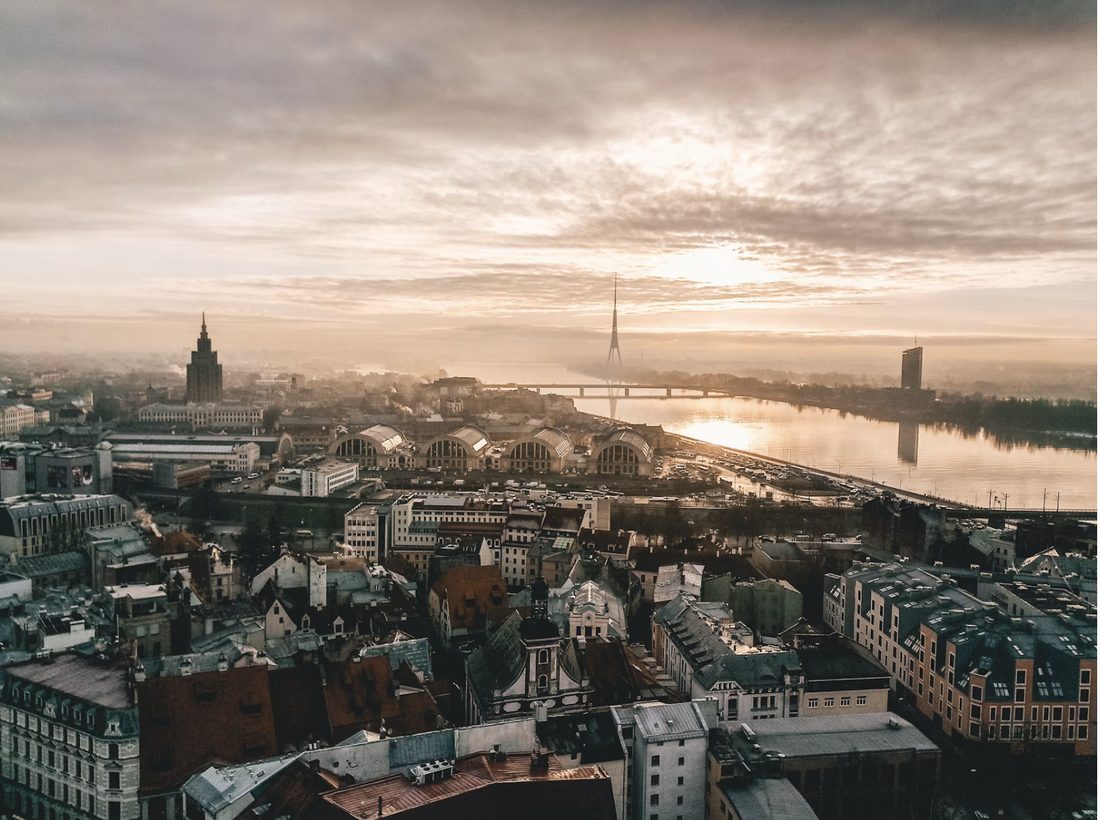
Riga - Art Nouveau, market halls and a surprisingly complete city trip
Riga has enough familiar elements for a city trip, but is a less obvious choice on Dutch shortlists. The historic old town sits alongside an extensive Art Nouveau district, while the Central Market, housed in former zeppelin hangars, shows a completely different side of the city.
Why go here? Architecture, markets, cafes and relatively a lot of city for a weekend.
Accessibility and stay: airBaltic flies direct from Amsterdam. The flight takes about 2 hours 10 to 15 minutes.
Budget and best time to go: lower to medium. May-September or December.
If you like... Tallinn for its Baltic atmosphere and historic architecture.
Worth noting: in winter the days are short and it can get quite cold.
Surprising cities as an alternative to well-known city trips
Use this comparison as inspiration, not as a one-to-one replacement.
| If you're thinking of... | Also take a look at... | Why |
|---|---|---|
| Barcelona | Girona | Catalan food and history, but much more compact |
| Bruges | Mechelen | Belgian history with a different urban dynamic |
| Ghent | Utrecht | Historic city, hospitality and a young centre |
| Florence | Bergamo | Italian old town, art and gastronomy |
| Venice | Trieste | Northern Italy, water and history in a very different style |
| Athens | Thessaloniki | Greek history, food and lively city life |
| Kraków | Wrocław | Polish architecture and culture with its own character |
| Prague | Brno | Czech city life with fewer classic highlights |
| Vienna | Bratislava | Danube, historic core and a much more compact scale |
| Munich | Nuremberg | German history and food without a huge city |
| Copenhagen | Gothenburg | Scandinavian food and design plus an archipelago |
| Copenhagen | Turku | Finnish coastal city with design, history and an archipelago |
| Tallinn | Riga | Baltic history with plenty of Art Nouveau |
Special city trips by travel style
For foodies
Thessaloniki, Bergamo and Gothenburg are the strongest choices. Thessaloniki combines markets and meze, Bergamo northern Italian cuisine, and Gothenburg seafood and fika.
For architecture and old towns
Look at Mechelen, Girona and Wrocław. If you want to add some modernism, Brno is interesting for Villa Tugendhat.
For sun and terraces
Girona and Thessaloniki are the strongest candidates. Trieste is interesting if you want the sea without a classic Mediterranean beach trip.
For art and culture
Wrocław, Brno, Nuremberg and Riga offer enough museums and architecture for several days.
For a friendlier budget
Look especially at Wrocław, Brno, Bratislava and Riga. Cheap is never guaranteed: flight prices and events can shrink the advantage.
For a romantic weekend
Girona, Bergamo and Trieste suit couples who value walking and a leisurely meal. For more options, also check out our guide to a romantic weekend away.
For a trip with friends
Utrecht, Thessaloniki and Riga combine restaurants, activities and plenty of nightlife. For group choices around budget and accommodation, see our guide to a girls' weekend.
For those who prefer to avoid huge crowds
Münster, Mechelen and Bratislava are more appealing than the biggest European capitals. That doesn't mean the streets are empty; weekends and events can get busy here too.
Most beautiful unknown cities by season
Spring
Girona, Bergamo, Thessaloniki and Bratislava work well once terraces and outdoor activities become more appealing again. In Southern Europe, this also lets you avoid the hottest weeks.
Summer
Gothenburg and Turku benefit from long days. Münster is pleasant for cycling, while Riga offers more outdoor life in summer.
Autumn
Bergamo, Trieste, Brno and Wrocław suit September and October well. The weather is often still good for walking, while restaurants and culture naturally take centre stage.
Winter
Riga and Nuremberg have a strong winter atmosphere. Utrecht and Mechelen are practical for a short weekend where bad weather is less of an issue. For events and Christmas markets, always check current dates and hotel prices first.
Are unknown cities also cheaper?
Sometimes, but certainly not always.
A hotel in Wrocław or Brno can be more affordably priced than in Paris or Copenhagen. Utrecht, too, doesn't have to be cheaper than Amsterdam, while Turku, because of the extra flight connection, sometimes works out more expensive than a larger Scandinavian city. Always look at the total trip cost.
| Budget level | Examples | What to watch out for |
|---|---|---|
| Lower | Wrocław, Brno | Flights and events |
| Lower to medium | Bratislava, Riga | Transfers and travel dates |
| Medium | Mechelen, Utrecht, Münster, Girona, Bergamo | Weekend hotel rates |
| Medium to higher | Trieste, Thessaloniki, Nuremberg | Transport and season |
| Higher | Gothenburg, Turku | Hotel, food and drink |
So compare the total trip cost: transport, luggage, transfers, hotel, food and local transport. A destination with €90 rooms isn't automatically good value if the flight costs €350.
How do you find surprising destinations yourself?
Many people start a city trip with:
Where shall we go?
For discovery, it often works better to flip that question around:
What do we want from this trip?
For example:
- a maximum of four hours' travel;
- three nights;
- a historic old town;
- good food;
- a medium budget;
- not too hot.
That way you don't have to already know that Mechelen, Münster or Wrocław exist. You look for the qualities and let the destinations follow from that.
The same goes for sun-seekers: if you want terraces, the sea nearby, good food and no huge city, Girona or Thessaloniki can suddenly make more sense than Barcelona once again.
That is also exactly why this discovery pillar fits so well with MyTripMatcher.
Let MyTripMatcher surprise you with a destination
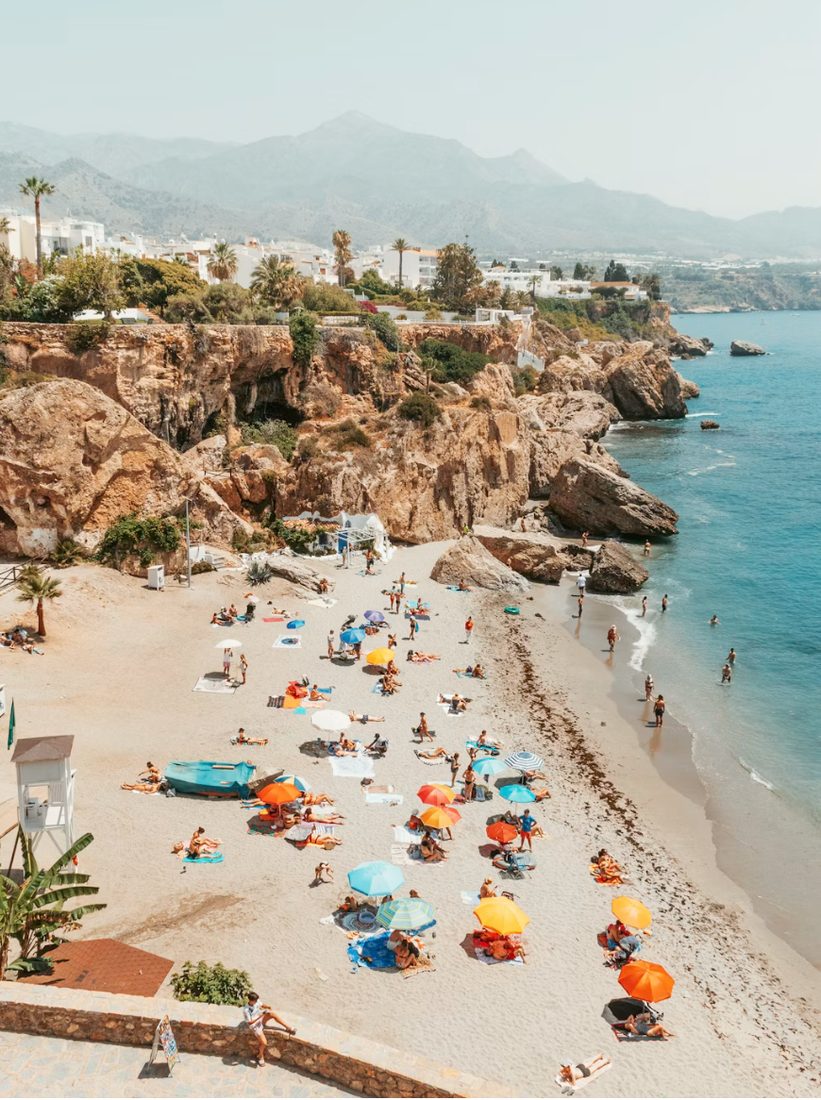
You don't need to already know your next destination before you start searching. Maybe you only know that you want to go away for three nights, fly for no more than three hours, enjoy good food and have a medium budget.
MyTripMatcher flips that search around. You start with trip length, budget, atmosphere, temperature, travel companions and desired activities. You can then view destinations that match that combination.
This way, a city can come up that you might not have searched for yourself. Not because that destination is inherently better than Barcelona, Rome or Paris, but because it may fit better with what you want this time.
Fill in what you expect from your next trip and discover destinations you might not have thought of yourself right away.
Frequently asked questions about unknown cities in Europe
What are beautiful unknown cities in Europe?
Mechelen, Münster, Girona, Bergamo, Trieste, Wrocław, Brno, Bratislava and Riga are examples of cities that are less obvious choices for a first European city trip, but that offer enough culture, restaurants and accommodation for a few days. Which one suits you best depends on travel time, budget and what you want to do.
Which European cities are less touristy?
"Less touristy" is relative. Mechelen, Münster and Brno also attract visitors, but are less obvious international city-trip destinations than Barcelona, Rome or Paris. It's better to look at the level of crowds that suits your travel period than to assume a city is completely undiscovered.
What are special city trips in Europe?
Trieste is special for its combination of Italy, the sea and Habsburg coffee-house culture. Thessaloniki combines Byzantine history with gastronomy and a long boulevard. Gothenburg and Turku add a Scandinavian atmosphere, with an archipelago and the Finnish island world respectively right on their doorstep. These are cities with a clear character of their own, not just lesser-known names.
Which surprising destinations are suitable for a weekend?
For two nights, Utrecht, Mechelen and Münster are practical thanks to their short travel time. With three nights, you can more easily opt for Girona, Bergamo, Wrocław, Riga or Thessaloniki. Brno, Trieste and Turku require a bit more planning because of their accessibility.
Which unknown European cities are affordable?
Wrocław, Brno, Bratislava and Riga generally have a more favourable local price level than many Western and Northern European capitals. Always look at the total cost, though. An expensive flight can quickly cancel out the advantage of cheap restaurants and hotels.
Where can you go if you've already seen Paris, Rome and Barcelona?
Don't automatically pick a similar capital. For historic streets and food, try Girona or Bergamo. For culture and architecture, Wrocław and Riga are interesting. If you want a completely different feel, Gothenburg or Thessaloniki are a better fit.
Which lesser-known city is easy to reach from the Netherlands?
Utrecht is very easy to reach from the Netherlands by train, and Mechelen can be reached from Amsterdam in about two hours. Münster is also a practical train option. By plane, Wrocław, Gothenburg, Riga and Nuremberg, among others, can be reached directly from Amsterdam. Turku usually requires a connecting flight.
Which surprising European city suits you?
The most beautiful unknown cities in Europe are not by definition the smallest or least visited. More interesting are cities you might not immediately type into a search yourself, but which do fit the atmosphere, travel time, budget and activities you're looking for.
So first decide what you expect from the trip, then make a shortlist of two or three destinations. If you'd rather compare more broadly again, use our pillar page with 18 great city trips in Europe.
Or start with no destination at all: enter your preferences at MyTripMatcher and discover which cities match the way you want to travel this time.
With Love, team MTM